
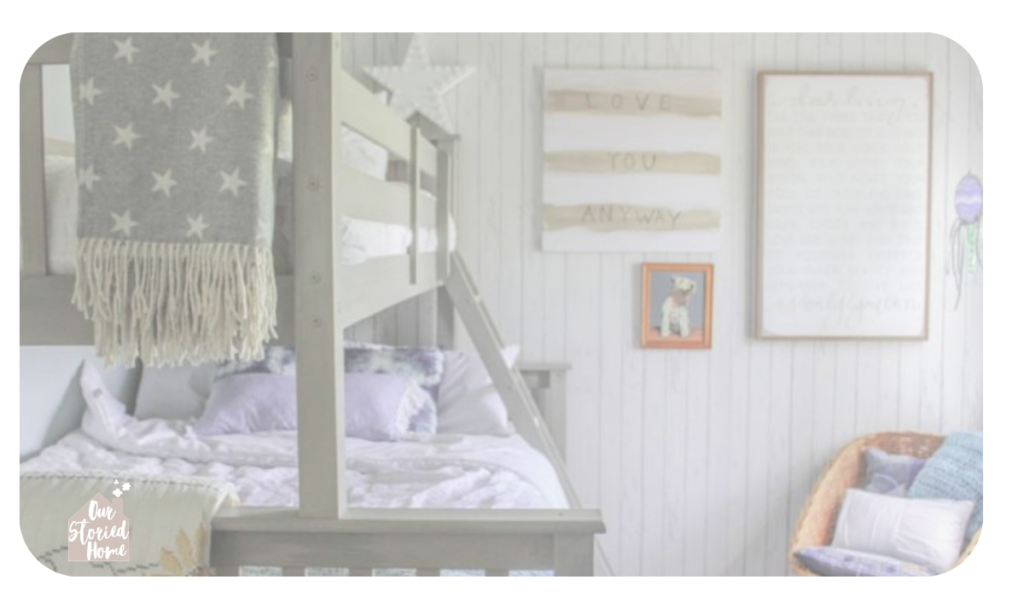
Want to learn a secret that writers know that can also make you a better decorator?
A good story shows rather than tells—and your home can do the same.
This post may contain affiliate links. If you make a purchase through one of these links, I may earn a small commission at no additional cost to you. As an Amazon Associate I earn from qualifying purchases.
Learning how to make your home feel personal isn’t about following every decorating trend or filling rooms with more stuff. It’s about choosing meaningful home decor that reflects the people who live there: the places you love, the memories you’ve made, the things that make you laugh, and the way your family actually lives.
If you’re like me and live in a builder-basic house that started with beige walls, oak cabinets, and uninspired rooms, think of all that blankness as possibility. You have plenty of space to tell a great story.
Your story.
Here are five ways to make your home feel more meaningful, collected, and unmistakably yours.
Decorate With Meaningful Details
You won’t find many Olan Mills-style portraits framed in our house—unless it’s the one of my brother at age three screaming while I cheese for the camera.
I’m sure you (and my mom) want to know why I’d be more likely to frame the hot-mess portrait than the Christmas-card-ready version. The answer is simple: it’s more interesting. It has a story.
The things that make a home feel personal are rarely the most perfect things. They’re the photographs that capture what your family was actually like, the slightly battered souvenir from a favorite trip, the bowl that always sat on your grandmother’s table, or the ridiculous little object that makes everyone in the family laugh.
I like decorating with things that have a history so that when I walk someone through our house, there are stories to tell. Stories make friends linger. Stories create connection. A home rich in meaningful details is rich in stories.
That doesn’t mean every sentimental object needs to be displayed at once. It’s easy to reach that overwhelming, stuff-in-every-corner place—believe you me. Like a writer, you have to decide what adds to the story and what takes away its focus.
Edit, edit, edit.
Choose a few meaningful pieces and give them enough breathing room to be noticed. A single framed photograph, handwritten recipe, inherited dish, or vacation treasure can say far more than a shelf crowded with things you no longer truly see.
2. Choose Decor That Fits Your Real Life
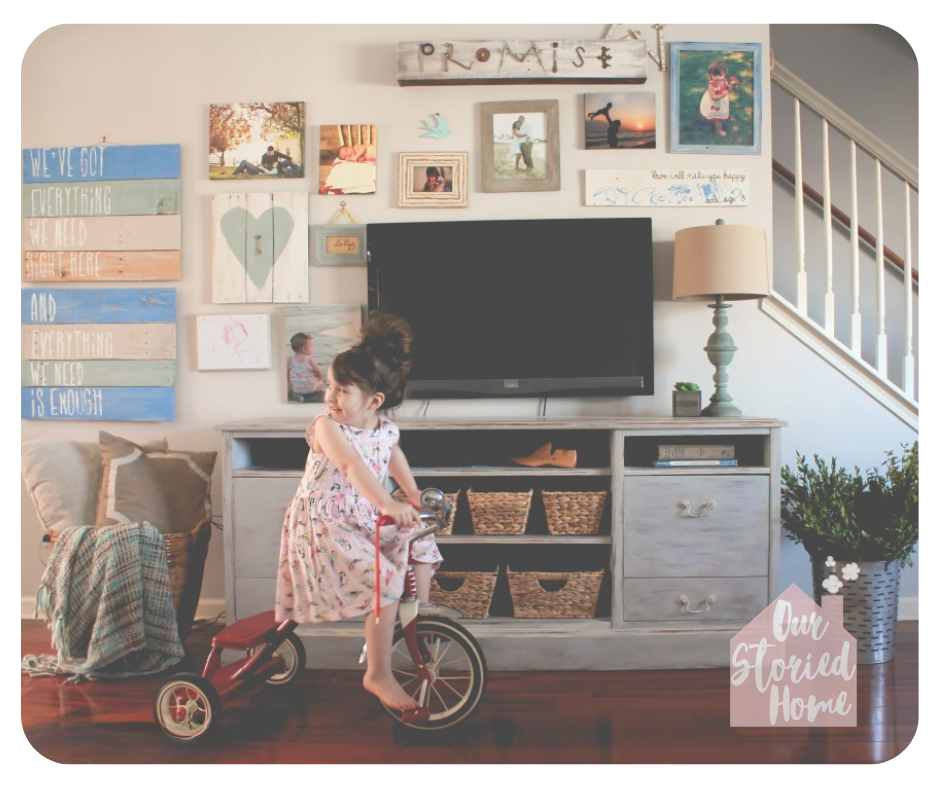
A beautiful upholstered settee pushed up to the dining-room table might make me swoon, but it wouldn’t fit this house. These characters are rough on furniture. We decorate with a color palette of seaside hues, creamy neutrals, and ketchup.
Your home should support the life happening inside it—not make everyone afraid to sit down, eat, play, or put their feet up. Before bringing something home, think beyond how it looks in a perfectly styled photograph. Consider how it will hold up to children, pets, spills, hobbies, and ordinary Tuesday afternoons.
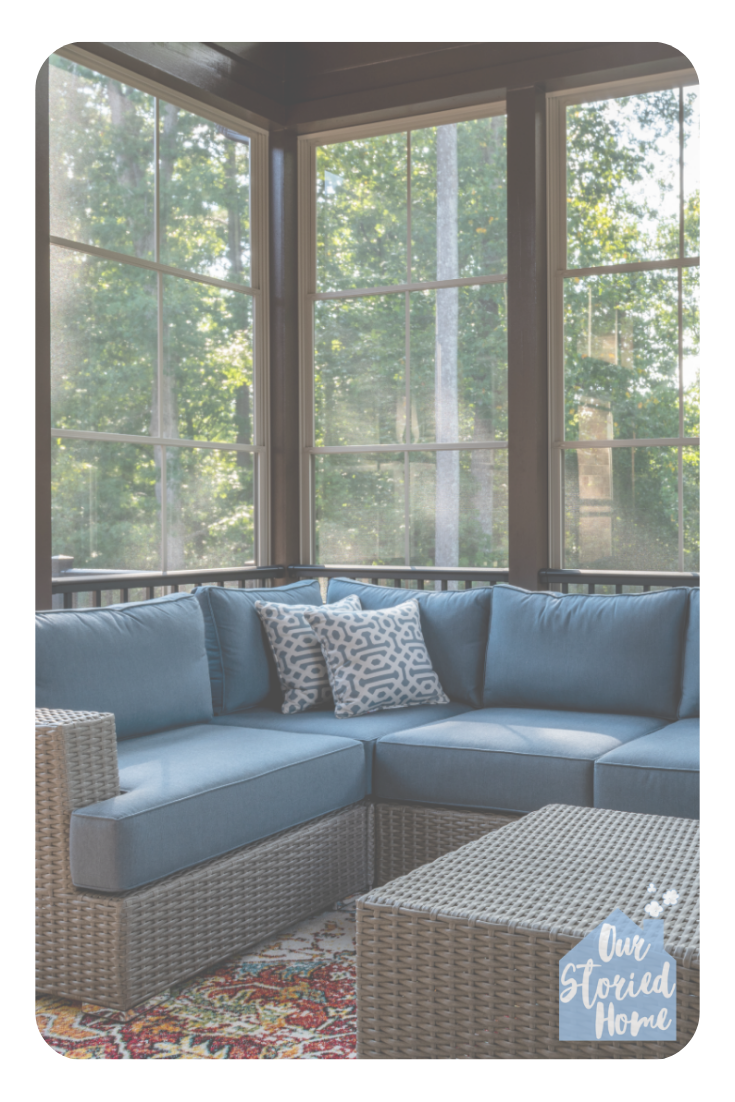
For us, that has often meant decorating with outdoor furniture and indoor/outdoor rugs that I can drag outside and hose down. You laugh, but it’s true. Washable slipcovers, forgiving fabrics, baskets that hide everyday clutter, and furniture with a little age on it can make a room both beautiful and livable.
The most personal decorating choices often come from accepting your real life instead of designing for an imaginary one. If your family piles onto one sofa for movie night, invest your attention there. If everyone enters through the back door, make that entrance work. If the dog believes every throw pillow belongs to her, choose pillows you can wash.
A home tells the truest story when it reflects how its people actually live.
3. Collect Pieces With a Story
You could spend $100 apiece on the same microfiber dining chairs found in every third house on the street—or spend a sunny day shopping yard sales with good friends and collect an entire set of mismatched seating for less than $100 total.
To me, this is a no-brainer.
You’ll save money, probably meet some interesting people, and may come home with something like:
- A bentwood chair with the stamp of a local pharmacy under the seat. I did!
- A captain’s chair covered in a funky midcentury pattern.
- A church pew with two teenagers’ initials carved lightly into the wood—probably with someone’s first car key.
- A handmade table bearing all the little imperfections that prove a person, rather than a machine, built it.
- An old painting that reminds you of someplace you love, even though you know nothing about the artist or the people who owned it before you. Pieces with age, history, and personality make a home feel collected rather than decorated all at once. They don’t have to be valuable antiques, and they certainly don’t have to match. They simply need to interest you enough to deserve a place in your home.
You don’t have to spend much money to find these details. You do have to be patient. A personal home develops slowly as you discover things you genuinely love—not during one frantic afternoon in the home-decor aisle.
Shop your own attic and closets first. Ask family members whether they have photographs, artwork, books, dishes, or small heirlooms packed away. Then explore yard sales, estate sales, flea markets, thrift stores, and local antique shops. The hunt becomes part of the story too.
4. Create the Mood You Want to Feel
What do you want people to feel when they enter your home?
More importantly, what do you want to feel?
I am your typical hot mess of a creative—a Gemini through and through. My thoughts run constantly, so I need, NEED, our house to be a soothing place. When the house becomes a crazy mess, my already-cluttered mind is easily overwhelmed.
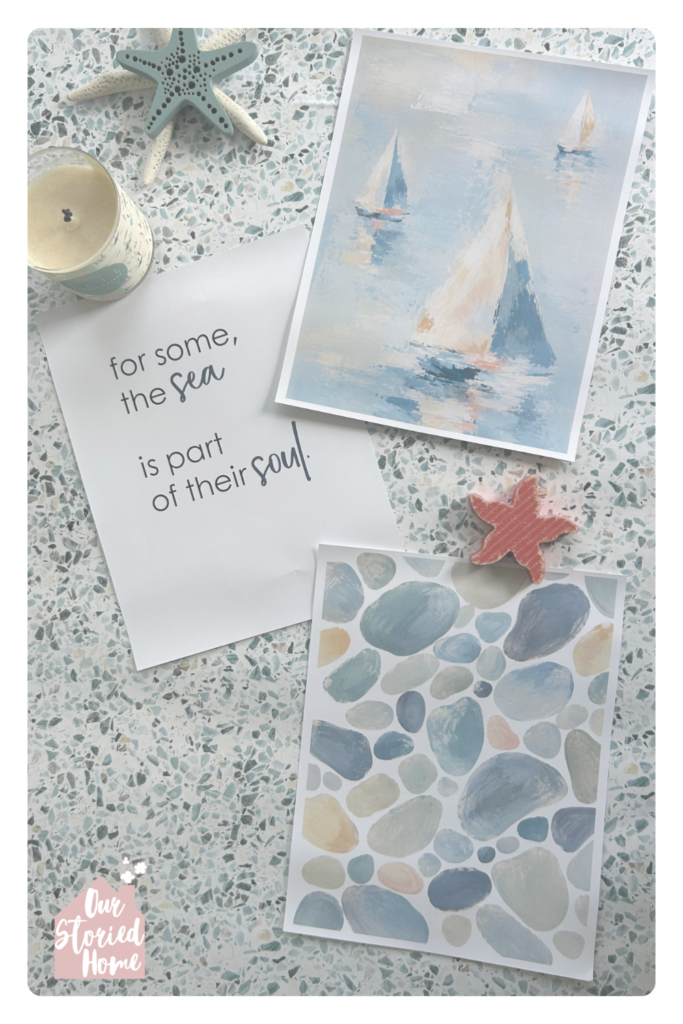
That’s why I decorate our landlocked Kentucky home like a beach house. I am my best self at the beach. I’m calm. I’m creative. I’m content. Seaside colors, weathered wood, shells, soft textures, and watery blues are little breadcrumbs that lead me back to that version of myself.
Your meaningful details don’t have to point toward the ocean. Think about the places where you feel most like yourself. Maybe it’s your grandmother’s kitchen, a quiet cabin in the mountains, a lively city street, or a garden in full bloom. What colors, textures, sounds, scents, and objects remind you of that place?
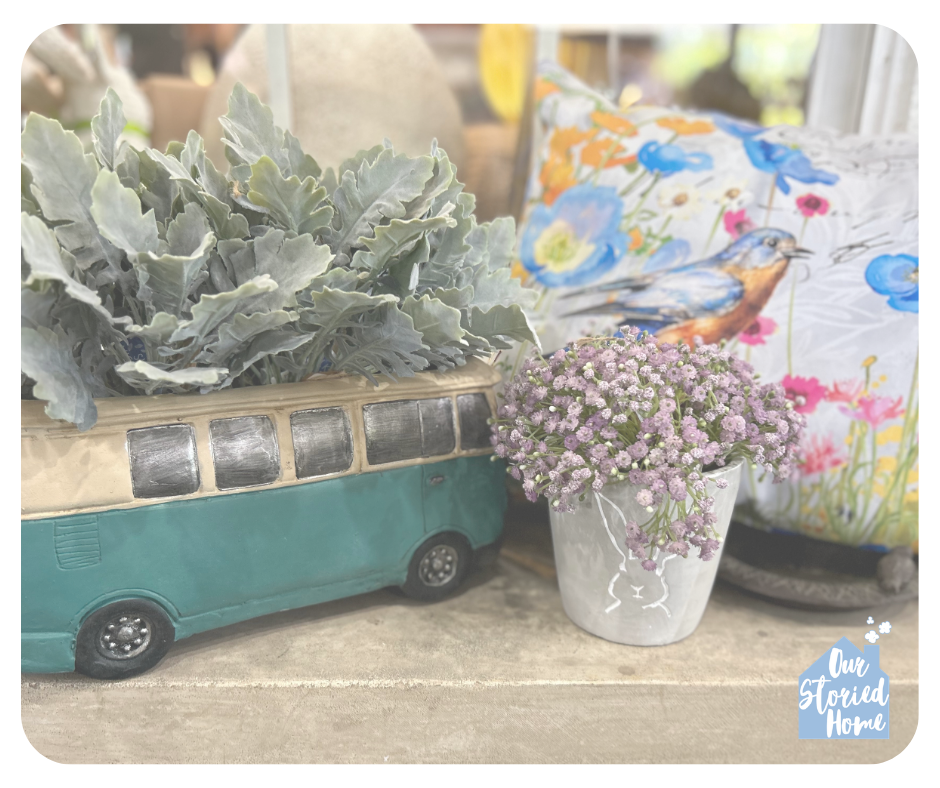
Use those clues to shape the mood of your home.
If you want your rooms to feel calm, begin with softer colors, comfortable textures, gentle lighting, and a little breathing room. If you want them to feel joyful, bring in playful art, favorite colors, and objects that make you smile. If you want warmth, layer wood tones, books, textiles, and pieces with age.
Your home doesn’t need to reproduce a favorite place literally. A few well-chosen breadcrumbs can remind you how you want to feel every time you walk through the door.
5. Make Your Home Memorable Through the Senses
When I was a kid, we were convinced our house was haunted by the old woman who had lived there before us.
In the middle of the night, we would wake up and the entire house would smell like hot chocolate-chip cookies. Now, as an adult, I realize it’s entirely possible that my mom was simply getting up and indulging in a kid-free dessert—I know I would—but that scent still gives me the same sense of wonder, curiosity, and longing for home.
A meaningful home isn’t experienced only through what we see. We remember how a room smelled, how the floor felt beneath bare feet, what music played in the kitchen, and whether the furniture invited us to curl up and stay awhile.
Layering texture is one of the easiest ways to add that kind of interest. Think about throw pillows that beckon you to run your hand across the fabric, a soft rug underfoot, a textured blanket tossed over the sofa, or the worn wooden arm of a chair that has been touched for generations.

And don’t forget visual texture. I like using whitewashed wood and old windows as wall art because they add a sense of history and interest that a newer house hasn’t yet earned. Woven baskets, collected books, pottery, linen, aged metal, and natural materials can create that same layered feeling.
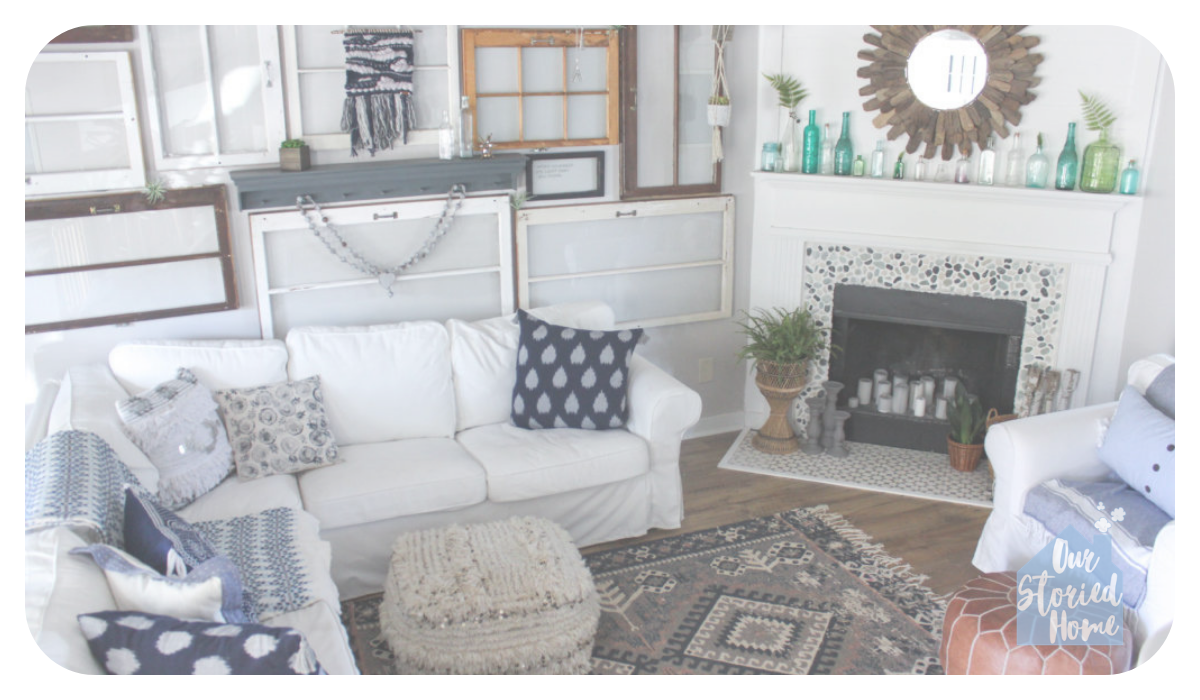
Scent and sound matter too. Fresh coffee, cookies in the oven, a favorite candle, music playing softly, or even the familiar creak of an old floorboard can become part of your home’s story.
These sensory details are invitations—to settle in, to feel something, and to create memories of your own.
Start Telling Your Home’s Story
You don’t have to redecorate an entire room to make your home feel personal. Start with one small area—a shelf, entry table, nightstand, or corner of the kitchen—and ask yourself three questions:
- What do I want this space to make me feel?
- What does it reveal about the people who live here?
- Is there anything displayed simply because I think it’s supposed to be there?Remove what feels meaningless or distracting. Then add one thing with a story: a favorite photograph, an inherited dish, a book you love, a shell from a family vacation, a child’s artwork, or something wonderfully imperfect that makes you smile.
Your home doesn’t need to look like anyone else’s. It doesn’t need to be finished all at once, and every piece certainly doesn’t need to match. The most interesting homes are collected slowly, shaped by real life, and filled with details that couldn’t belong to anyone else.
A beautiful room might catch someone’s attention, but a home with a story makes them want to stay.
What part of your home tells your story best—and which space is still waiting for its next chapter?





One Response
“Show rather than tell” is such a good way to put it – hunting for pieces with actual history beats matching everything from one store.