This post contains affiliate links. If you make a purchase through one of these links, I may earn a small commission at no additional cost to you. As an Amazon Associate I earn from qualifying purchases.
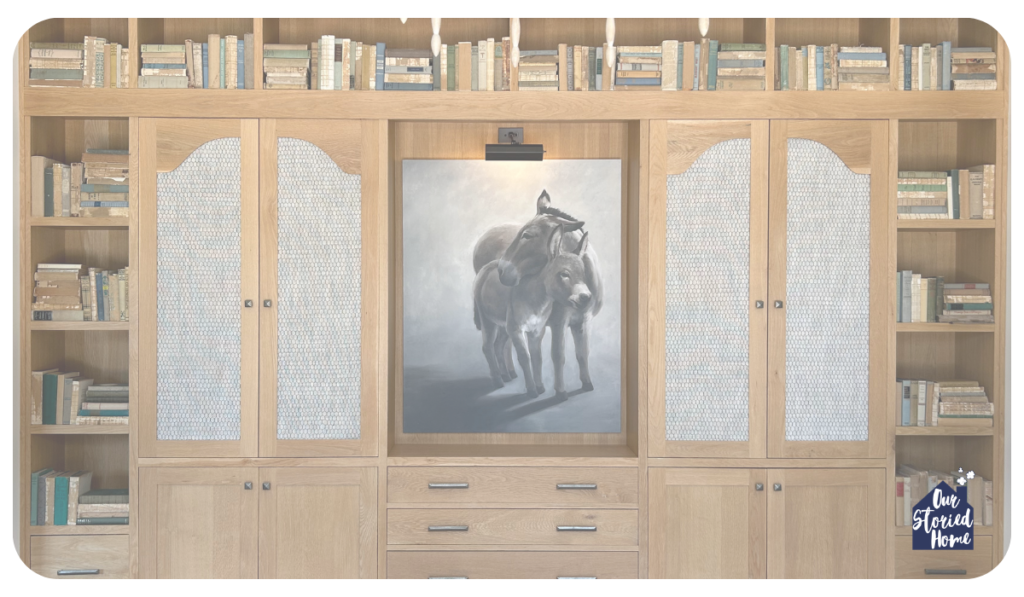
I was wandering through a friend’s beautiful Georgia home—doing what I always do in a beautiful home, which is studying every basket, blanket, finish, and perfectly imperfect detail—when I noticed a collection of vintage books arranged on the shelves.
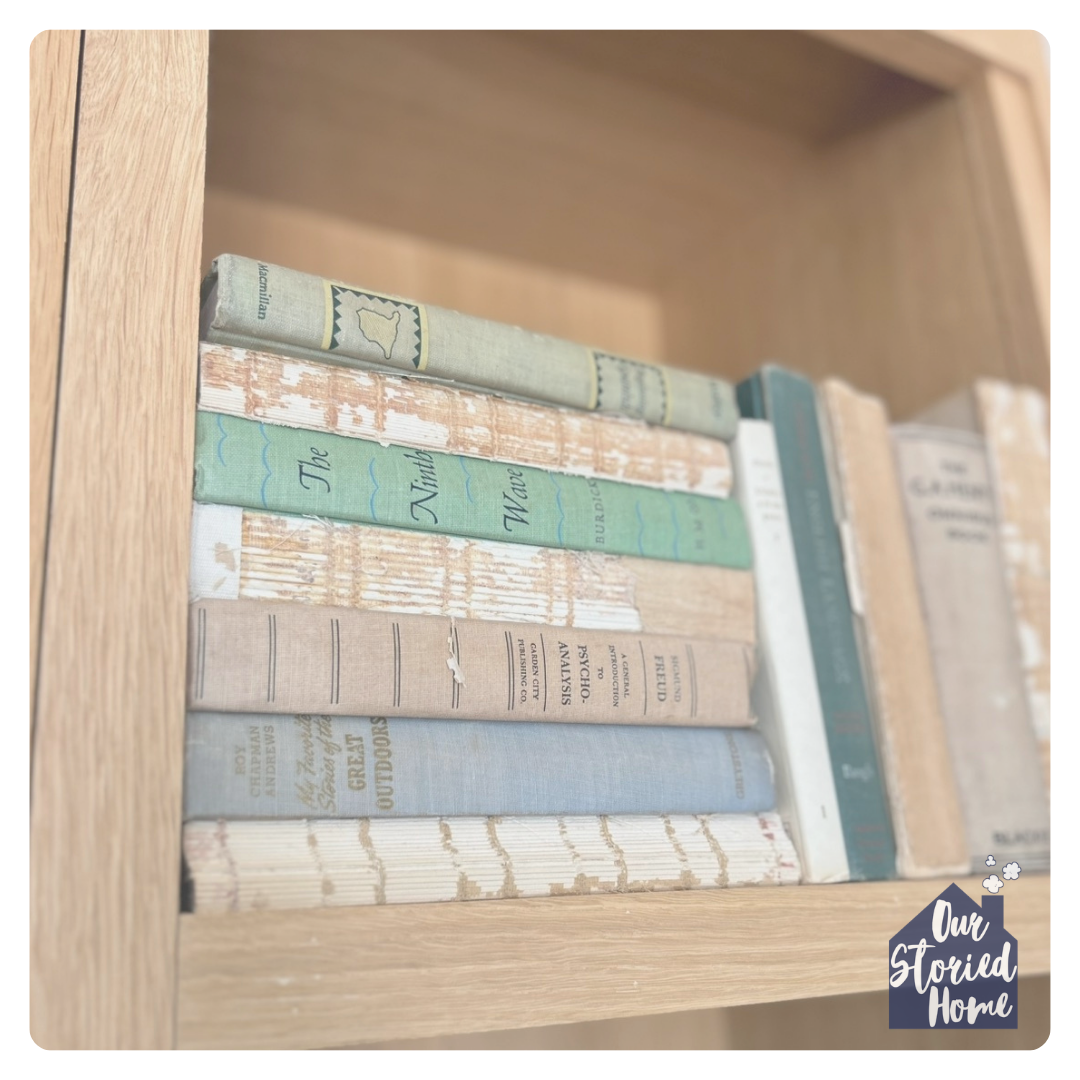
The muted colors were lovely. The worn spines added warmth and texture. Grouped together, the books looked as though they had always belonged in the room.
Then I learned they were purchased as books by the foot.
What Are Books by the Foot?
Books by the Foot are exactly what they sound like: collections of books sold according to the amount of shelf space they fill. They can be selected by color, size, age, subject, or style, making them popular with interior designers, home stagers, restaurants, hotels, and anyone faced with a great deal of empty shelving.
It’s an easy way to create the layered appearance of a library without spending years collecting every volume individually.
At first, I assumed the books were primarily decorative—pretty bindings chosen to complement the room’s warm, natural palette.
But then I started reading the titles.
The Stories Hiding on the Shelves
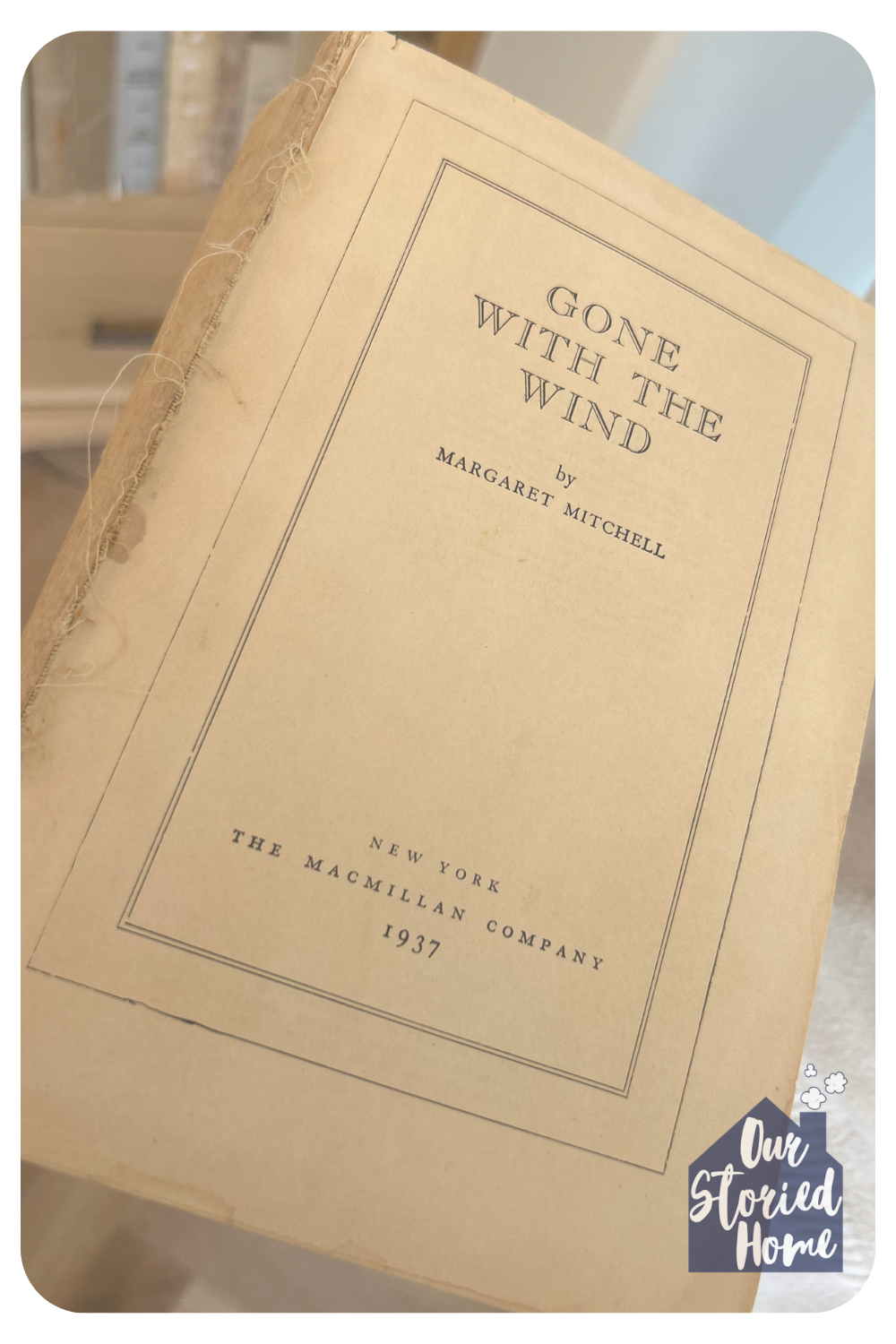
Tucked among those beautifully aged spines were Gone with the Wind, a volume on Freudian psychoanalysis, an old medical text, and Rebecca of Sunnybrook Farm.
Suddenly, the collection became more than shelf decor.
Who first owned the medical book? Was it used by a student, a doctor, or someone simply fascinated by the human body? Had anyone curled up with Rebecca of Sunnybrook Farm as a child? How many homes had these books lived in before arriving on this quiet shelf in Georgia?
That is the wonderful thing about decorating with vintage books: even when we don’t know their complete histories, we know they have histories.
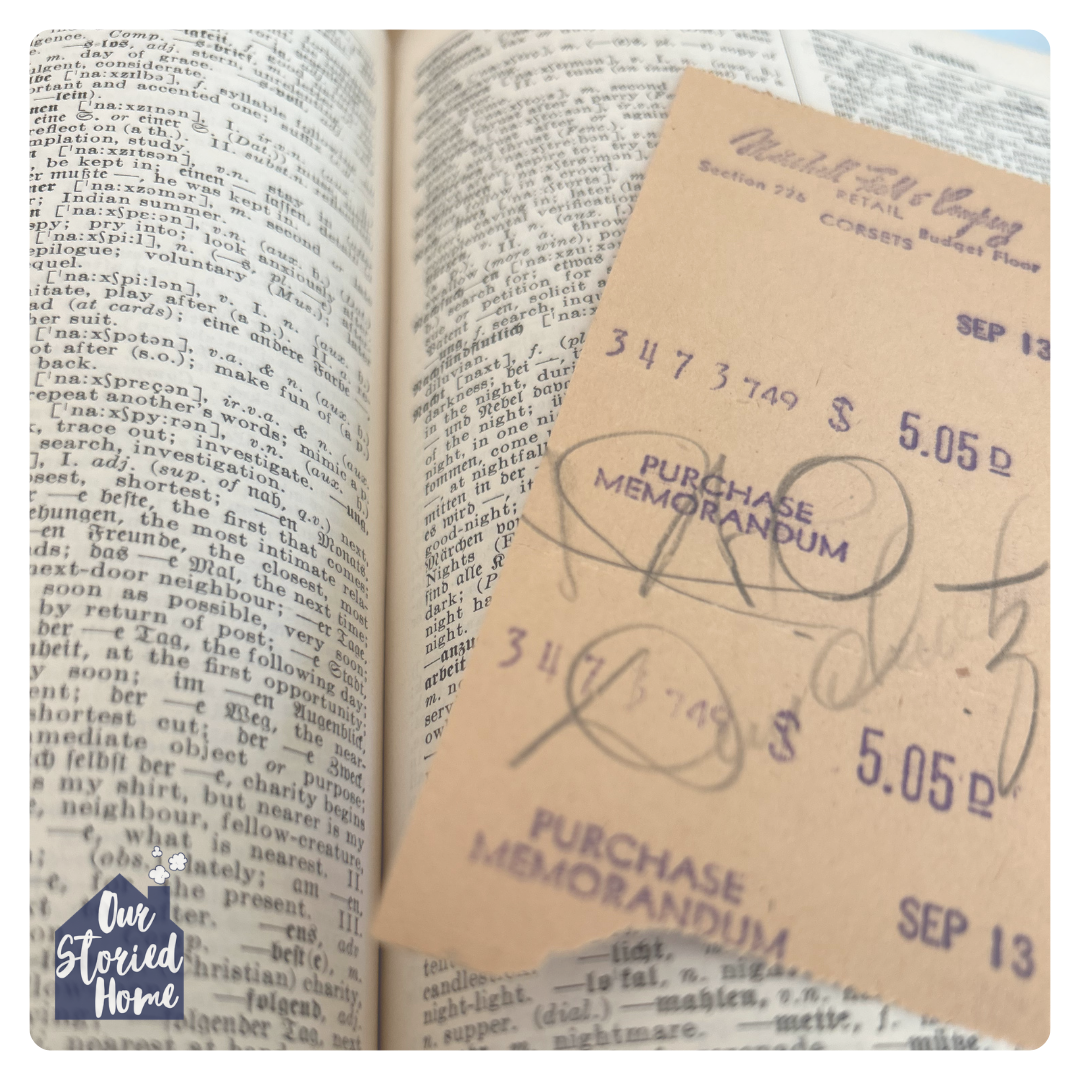
The faded fabric, softened corners, handwritten names, and aging pages all suggest lives that existed before ours. A new decorative object can be beautiful, but an old book brings something else into a room—evidence of time.
The Books by the Foot Website
There is also an actual company called Books by the Foot, a service of the independent bookstore Wonder Book. With more than five million books on hand, the company creates collections ranging from a single linear foot to enough books to fill an entire hotel, restaurant, office, movie set, or very fortunate home library.
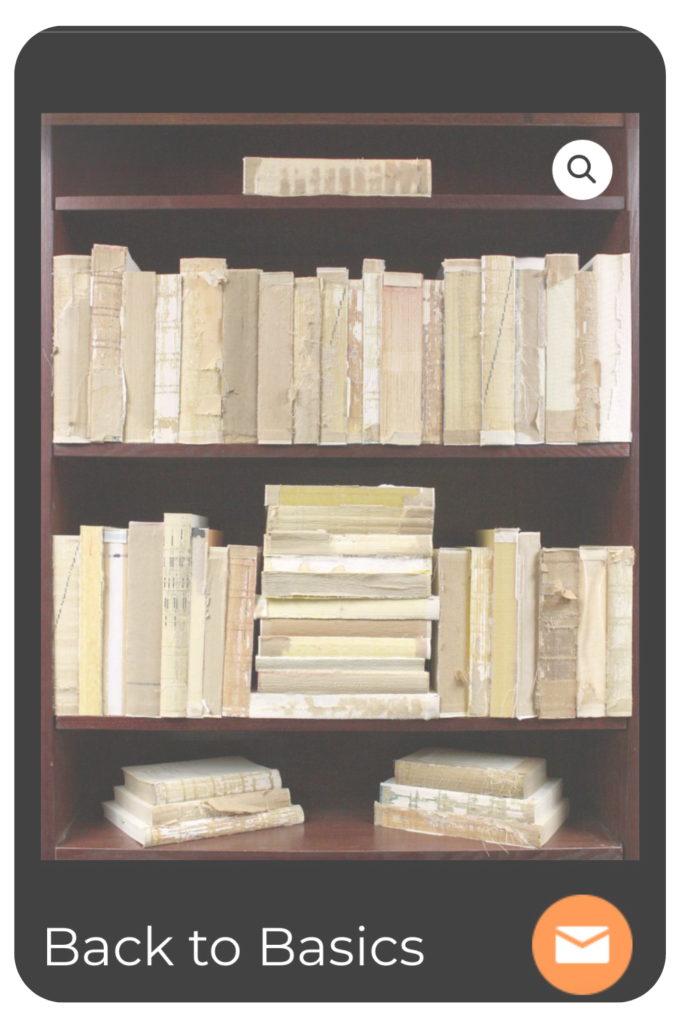
You can shop by color, subject, age, size, or style. Options include vintage clothbound books, modern hardcovers, soft neutrals, antique earth tones, children’s books, wrapped books, and even coverless or reversed books. Prices currently begin at $12.99 per linear foot, with custom projects also available.
The books are real—not empty decorative boxes created to resemble them—and many are unwanted or “orphaned” books being given a second life. Unless you choose a specific set from the company’s Boutique, you’re generally selecting the overall look or subject rather than each individual title.
And that is where it gets interesting. You may order books because their faded blues, creams, and greens are perfect for your shelves—then discover that the beautiful bindings arrived carrying stories you never expected.
Why Decorating With Books by the Foot Works
Books are one of the simplest ways to add character to a room. They introduce color and texture without demanding attention, and they make newly decorated spaces feel collected rather than completed all at once.
A row of vintage books can soften a modern shelf. A small stack can lift a bowl, framed photograph, or favorite object to the right height. Books can fill an awkward gap, ground a collection, or add warmth to a room filled with hard surfaces.
They also work beautifully with many decorating styles. Faded linen covers feel at home in a relaxed neutral room, rich leather bindings suit a traditional space, and colorful vintage spines can bring life to an otherwise quiet shelf.
And unlike objects made solely to resemble something old, these books have earned every mark.
How to Get the Look
You don’t need to order an entire library to create storied shelves of your own.
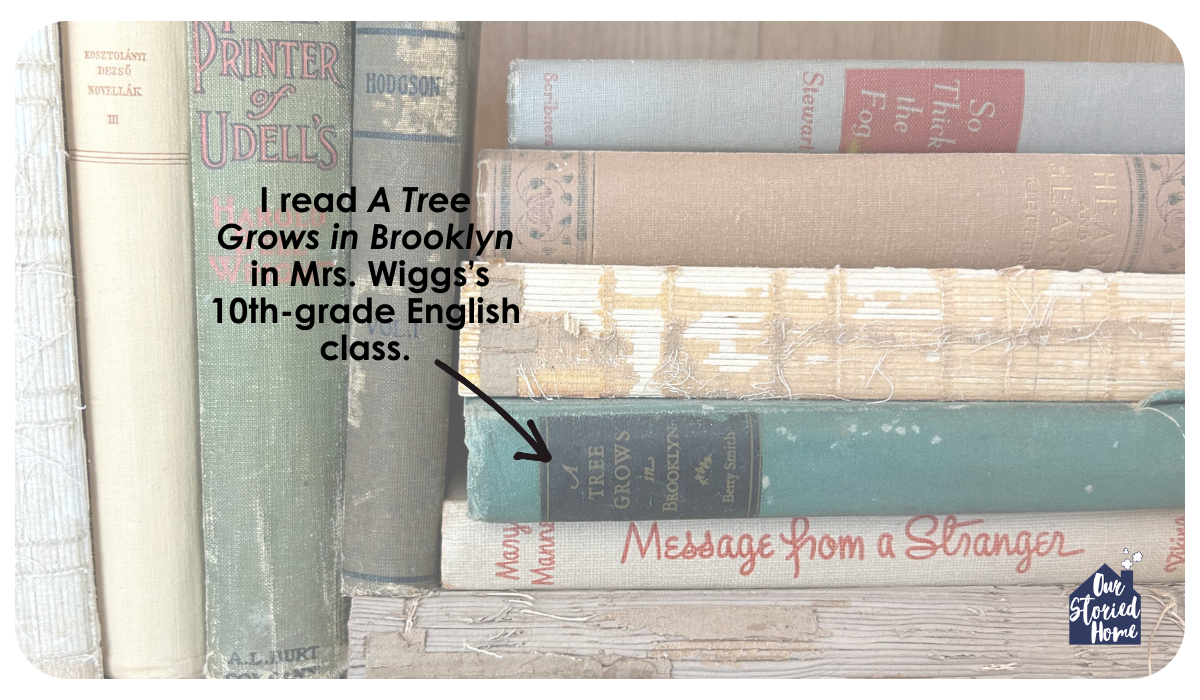
Start with books you already have. Remove glossy dust jackets and look at the bindings underneath—you may discover wonderful colors and textures hiding there. Gather books with similar tones, or mix several aged colors for a more collected look.
Thrift stores, library sales, estate sales, and flea markets are also excellent places to find inexpensive hardcovers. Look beyond the title and notice the fabric, lettering, size, and condition of the spine.
Try arranging books in a few different ways:
- Place a row of similarly colored books between bookends.
- Use a horizontal stack to add height beneath a smaller object.
- Mix books with baskets, pottery, framed photographs, and natural elements.
- Allow a few worn or mismatched volumes into the arrangement so it doesn’t feel overly styled.
- Most importantly, include books that mean something to you whenever possible.
Books purchased by the foot can give you an instant foundation. Personal books, inherited volumes, and thrifted discoveries can be added over time, allowing the shelves to become increasingly your own.
A Home Should Hold More Than Beautiful Things
I understand why designers use books by the foot. They fill shelves beautifully, add instant age, and help create the feeling of a home assembled over many years.
But what I loved most was realizing that the beauty wasn’t limited to the bindings.
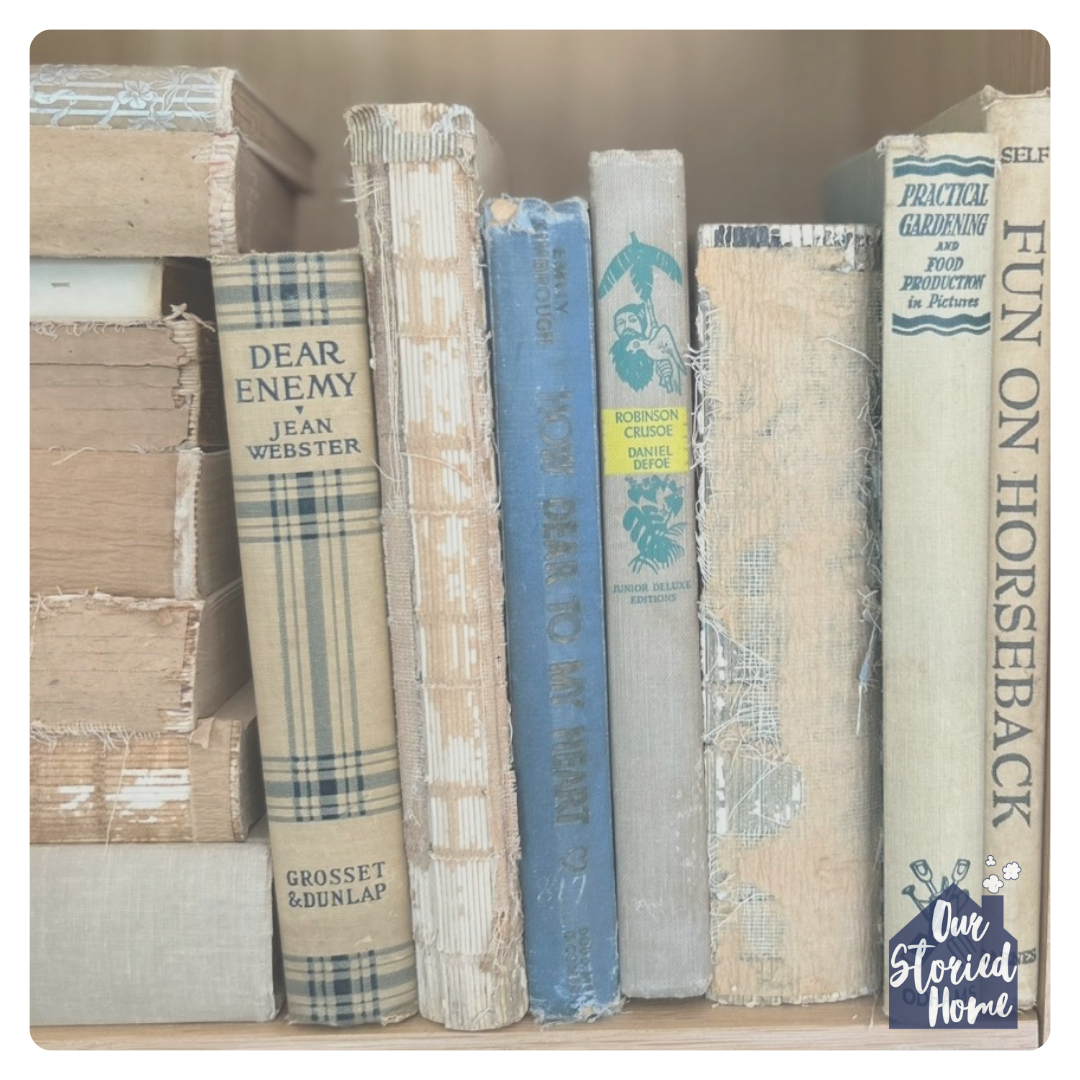
Inside those color-coordinated rows were novels, old ideas, obsolete medicine, familiar characters, and pieces of lives we will never completely know. Someone may have selected the books for their appearance, but their stories came along with them.
And that may be the secret to truly storied shelves: choose what looks beautiful, certainly—but leave room for curiosity, history, and the unexpected things waiting inside.