This post contains affiliate links. If you make a purchase through one of these links, I may earn a small commission at no additional cost to you. Thank you for supporting Our Storied Home.
I was deeply into essential oils for a hot minute.
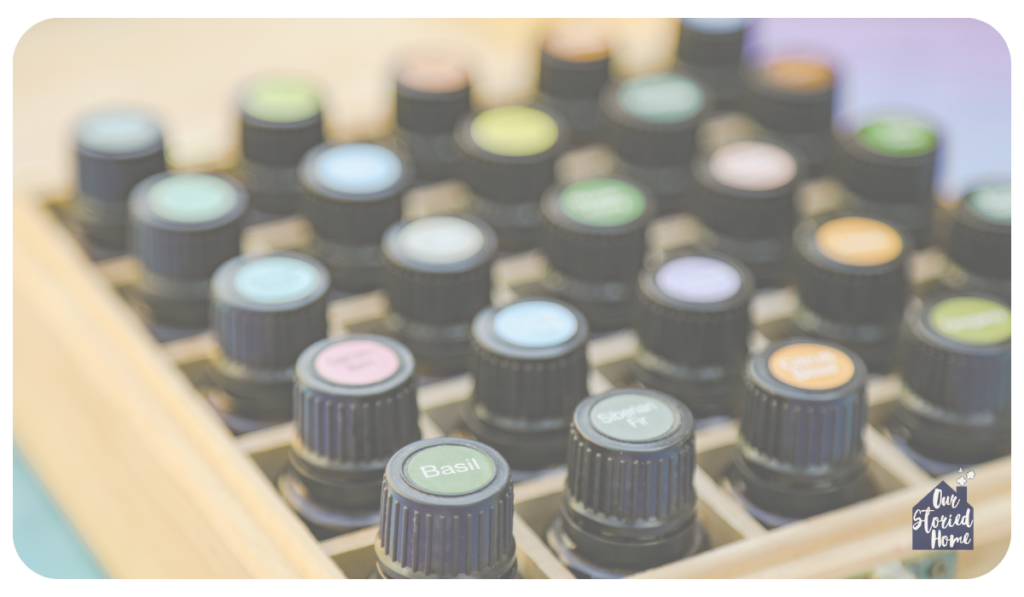
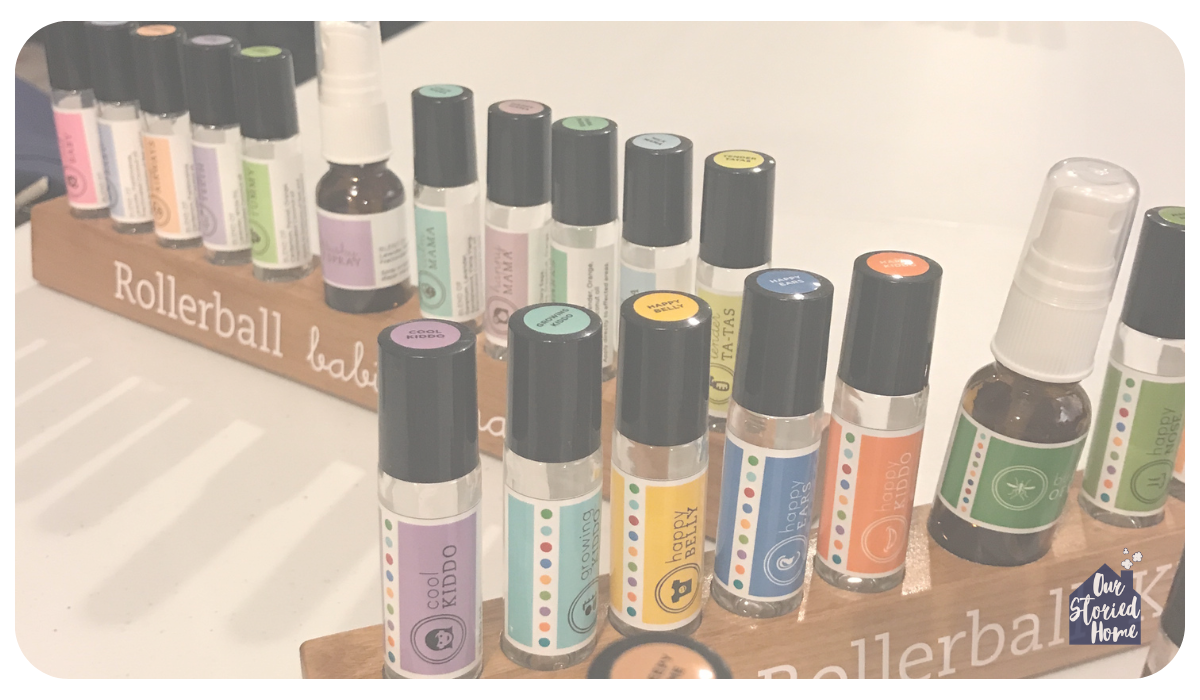
I had the diffuser, the rollerballs and enough tiny bottles to make my house smell like an enchanted forest—or occasionally an aggressive peppermint factory.
These days, I use essential oils much more simply. I’m not trying to cure anything or create complicated blends. I just enjoy choosing a scent, adding a few drops to my diffuser and changing the feeling of a room.
If you’re curious about essential oils, here are the basics.
What Are Essential Oils?
Essential oils are concentrated aromatic compounds extracted from plants. Depending on the oil, they may come from flowers, leaves, bark, roots or fruit peels.
Because they are highly concentrated, you usually need only a few drops. Essential oils are also different from fragrance oils, which may contain synthetic ingredients created to produce a particular scent.
Three Easy Ways to Use Essential Oils
1. Add Them to a Diffuser
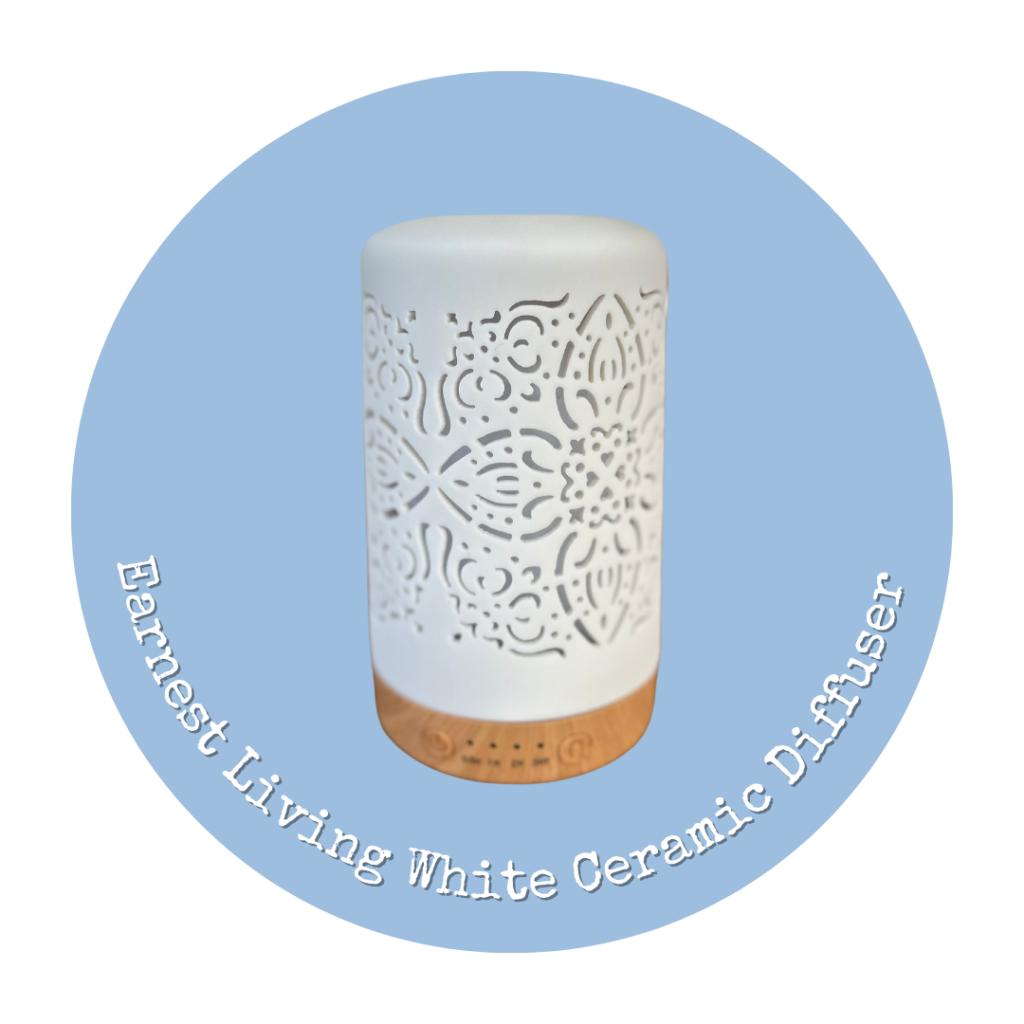
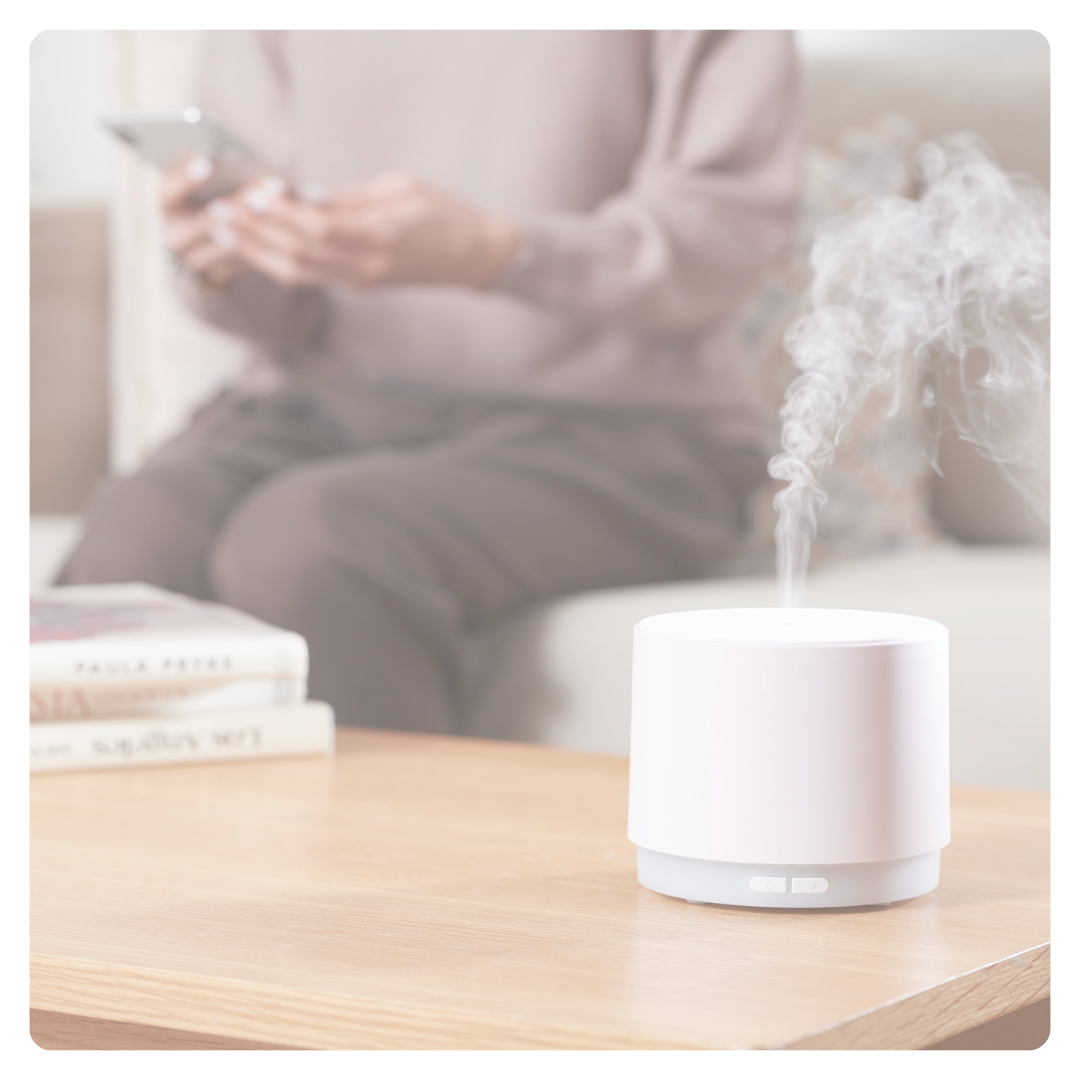
An essential oil diffuser is the easiest place to begin. Fill it with water according to the manufacturer’s directions, add a few drops of oil and let the fragrance gently fill the room.
Start small. You can always add another drop, but you cannot easily recover from an accidental eucalyptus ambush.
2. Make a Room Spray
Essential oils can be used in homemade room and linen sprays. Because oil and water do not mix, use a tested recipe with an appropriate dispersing ingredient rather than simply dropping oil into water.
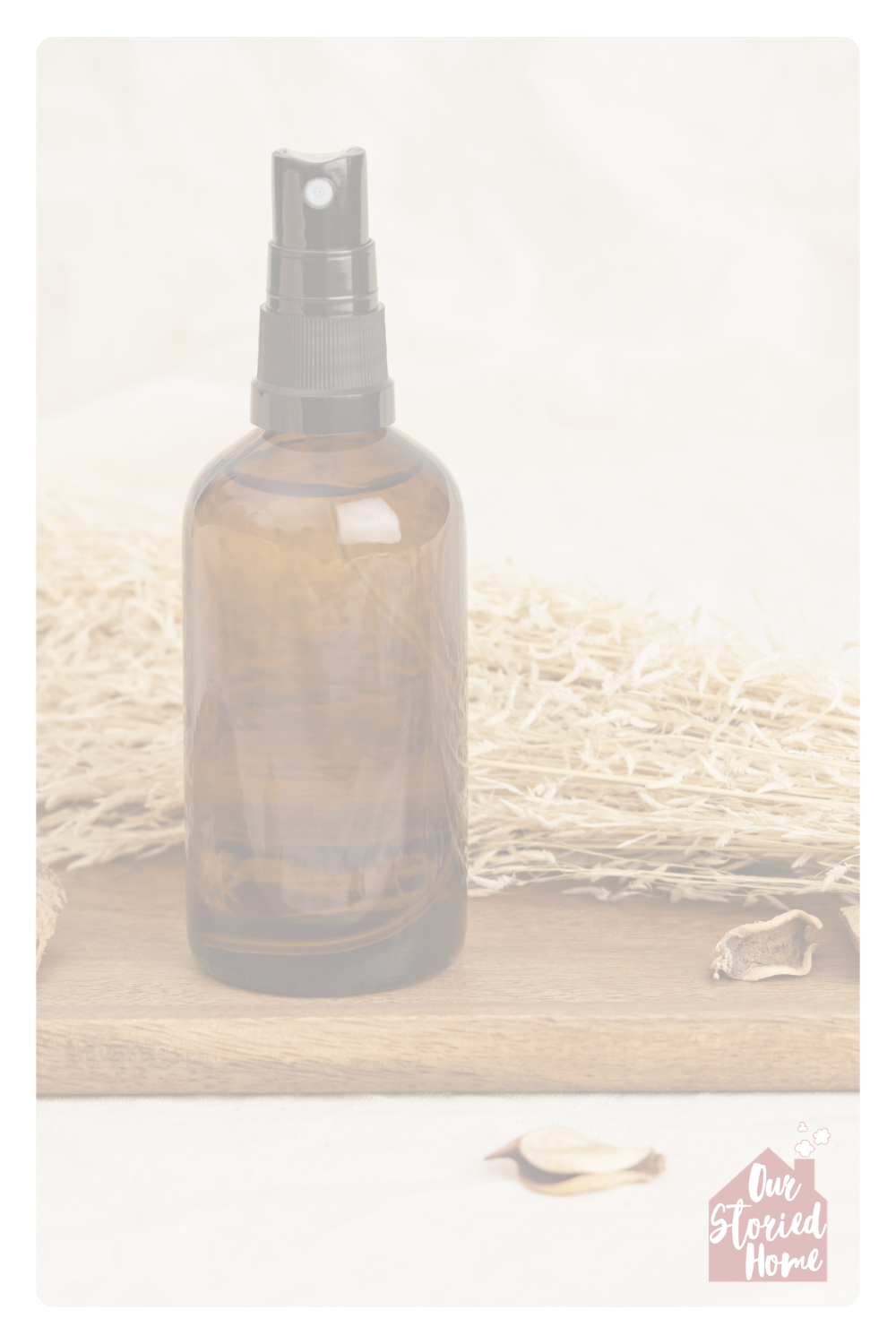
Always test sprays on a hidden area before using them on fabric, upholstery or furniture. I buy small amber spray bottles for my own scents I create.
A Note About Amber Containers (Rollerballs, Spray Bottles, etc.
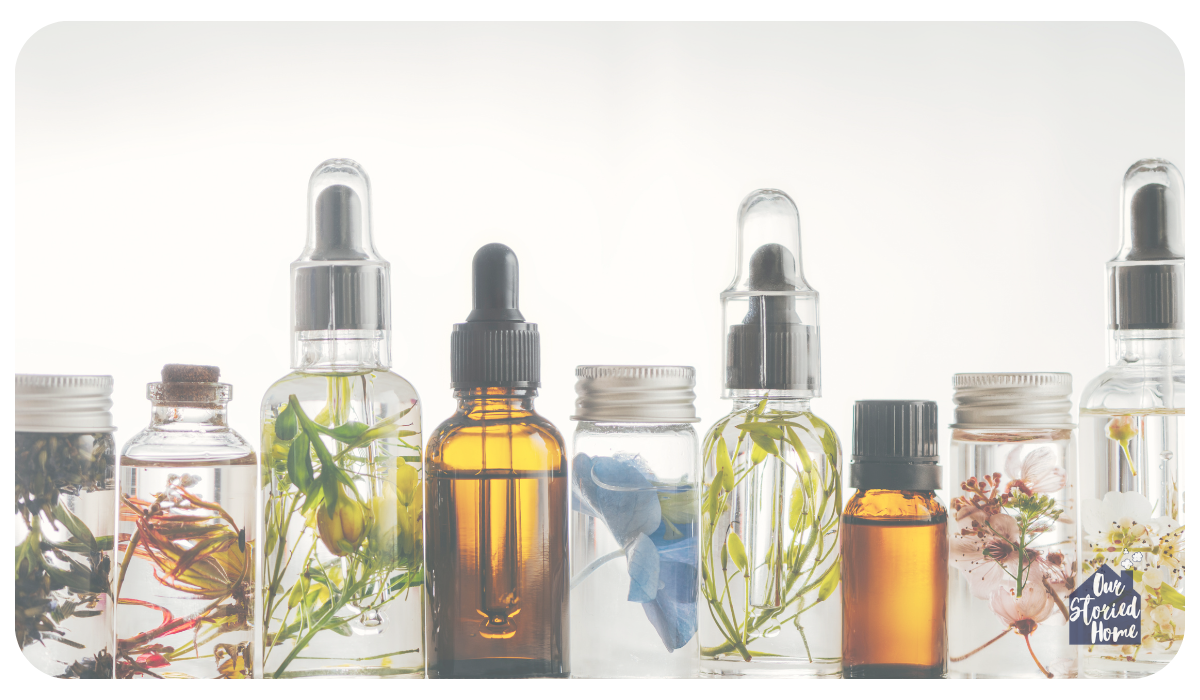
Amber bottles protect essential oils from UV light, which can degrade their chemical compounds and make the oils oxidize faster. Oxidized oils may smell different, lose quality and be more likely to irritate skin.
Amber glass also:
- Slows light-related deterioration
- Doesn’t react with concentrated oils like some plastics can
- Helps extend shelf life
They should still be stored tightly capped in a cool, dark place—amber glass helps, but it doesn’t make them immortal. Cobalt-blue bottles offer some protection too, but amber generally blocks a broader range of damaging light.
3. Make a Rollerball Blend
For a portable fragrance, essential oils can be added to a rollerball bottle with a carrier oil such as jojoba or fractionated coconut oil.
They should be properly diluted before being applied to the skin. Follow reputable dilution guidance and test a small area first.
Five Essential Oils for Beginners
You do not need an enormous starter set. Begin with a few scents you genuinely like.
- Lavender: Soft, floral and lovely for quiet evening spaces.
- Lemon: Bright and fresh—especially nice in kitchens and workspaces.
- Sweet orange: Warm, cheerful and welcoming.
- Peppermint: Crisp and strong, so one or two drops may be plenty.
- Cedarwood: Warm and woodsy, with a cozy scent that is especially beautiful in fall and winter.
Try lavender with cedarwood for something soft and cozy, or sweet orange with a tiny amount of peppermint for a bright, fresh blend.
You can buy small sets of essential oils with different “themes” — my personal favorite of those is the “citrus set“, which includes the sweeter, fresh fruity scents. There are several brands that carry “the essential essential oils“, the “classics“, aromatherapy, diffusion and topical and more. Often you save a little bit per bottle if you purchase a set instead of individually.
A Few Essential Oil Safety Basics
Natural does not automatically mean harmless. Essential oils are highly concentrated and should be used thoughtfully.
- Do not swallow essential oils.
- Dilute oils properly before applying them to your skin.
- Keep bottles away from children and pets.
- Use extra caution during pregnancy, around young children or if you have a medical condition.
- Stop using an oil if it causes irritation or discomfort.
- Follow the directions provided with your oils and diffuser.
Essential oils can also pose risks to pets. Never apply them directly to an animal unless instructed by your veterinarian. If you diffuse oils, use a small amount in a ventilated space, keep the diffuser where pets cannot knock it over and allow them to leave the room.
Keep It Simple
You do not need fifty oils, complicated recipes or wild promises to enjoy essential oils.
Choose a scent you love. Add a few drops to your diffuser. Let it become part of a small ritual that makes home feel softer, fresher or more inviting.
Sometimes a beautiful fragrance and ten quiet minutes at home are more than enough.
This post is for general informational purposes and is not medical advice. Consult a qualified healthcare professional or veterinarian with questions about using essential oils.